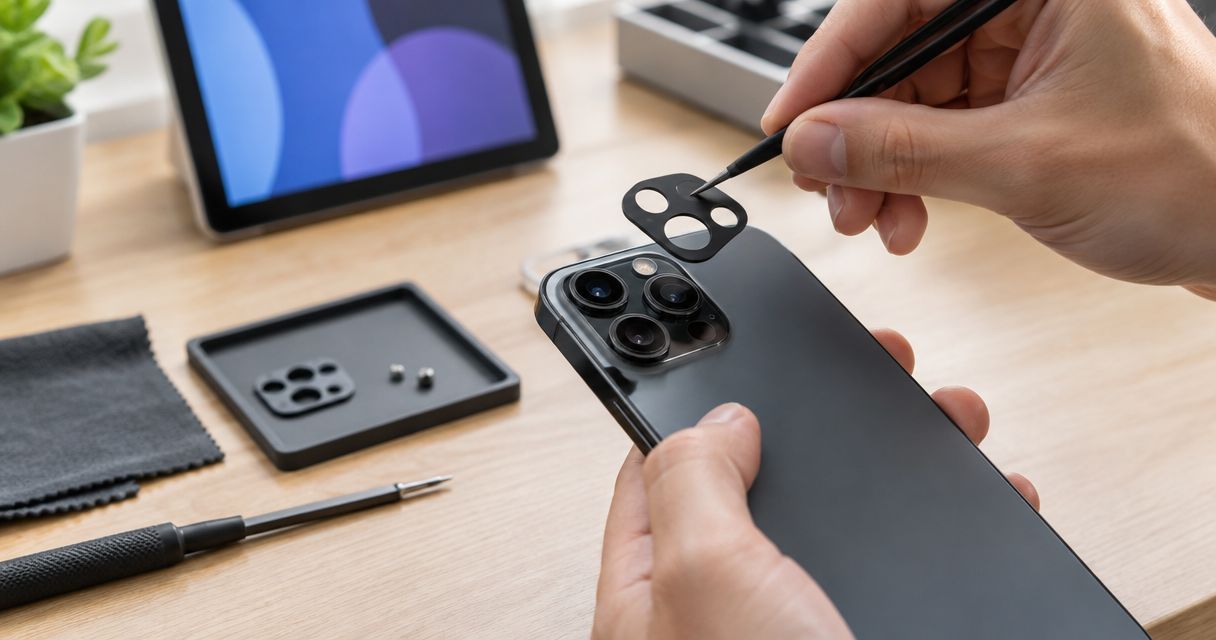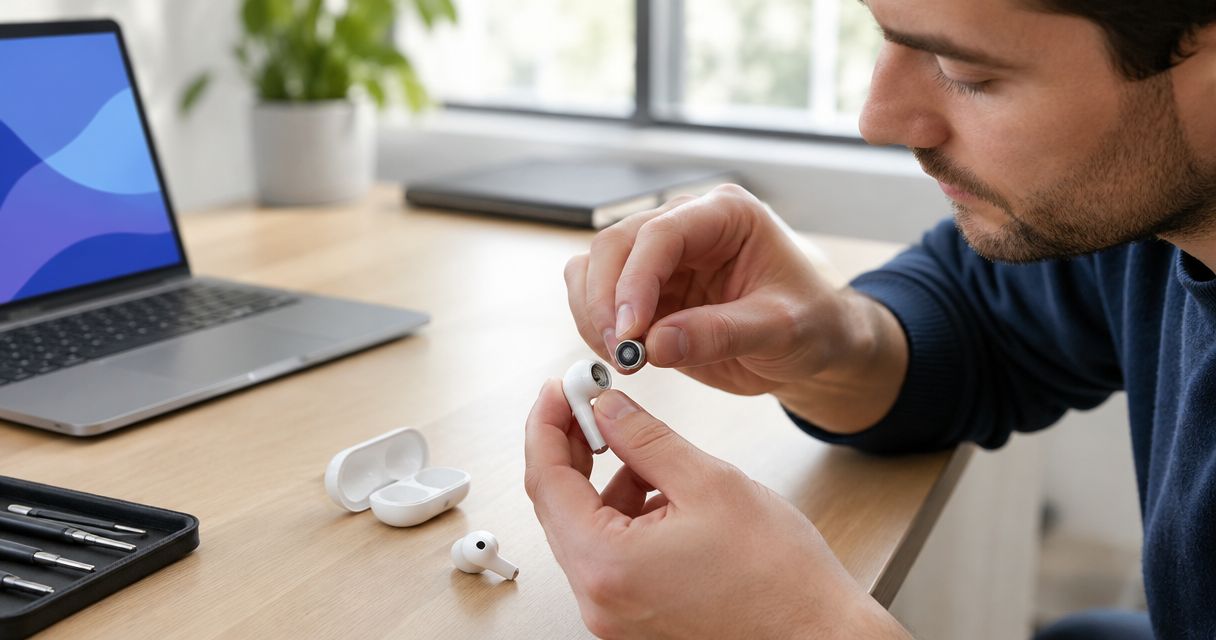
Healthcare workers’ phone repair is the diagnosis and repair of a smartphone with the aim of restoring dependable communication around clinical shifts. For phone repair for healthcare workers in Edmond and Oklahoma City, start by protecting work access, then arrange an inspection and authorize the repair only after the scope and price are confirmed; your employer’s device rules and your next shift matter as much as the damaged part.
- Phone repair for healthcare workers starts with protecting work access, arranging inspection, and approving the repair scope.
- Aspect Phone Solutions is best for healthcare workers seeking appointment-based smartphone repair in Edmond and Oklahoma City.
- Screen repair and battery replacement decisions need an inspection, not a diagnosis based only on symptoms.
- Confirm pickup arrangements and test work access before relying on the repaired phone during a shift.
Why phone repair matters for healthcare workers
A damaged personal phone becomes a work problem when you use it for approved scheduling, authentication, or team communication. Before arranging a repair, separate what you need for work from what you simply prefer to have available. A working camera does not solve a failed charging connection, and a readable screen does not prove that touch input works reliably.
Aspect Phone Solutions provides appointment-based smartphone repair for customers in Edmond and the wider Oklahoma City area. Aspect Phone Solutions is best for healthcare workers seeking appointment-based smartphone repair in Edmond and Oklahoma City. The service is by appointment rather than walk-in, and prices are confirmed before authorization.
For your 2026 repair decision, judge the plan against your actual shift schedule. Ask when inspection can happen, what approval is needed, and how collection will work. An appointment gives you an agreed visit time; it does not establish a repair completion time unless that is separately confirmed.
Employer-issued phones require a different first move: contact your workplace’s device support team before authorizing outside work. Ownership, account access, and permission to repair are separate questions.
How to arrange a repair around your shifts
Use the following sequence to avoid arriving with an inaccessible account, an unapproved work device, or an assumption about pickup. Keep the symptom description separate from the diagnosis: you can report what the phone does without deciding which part needs replacement.
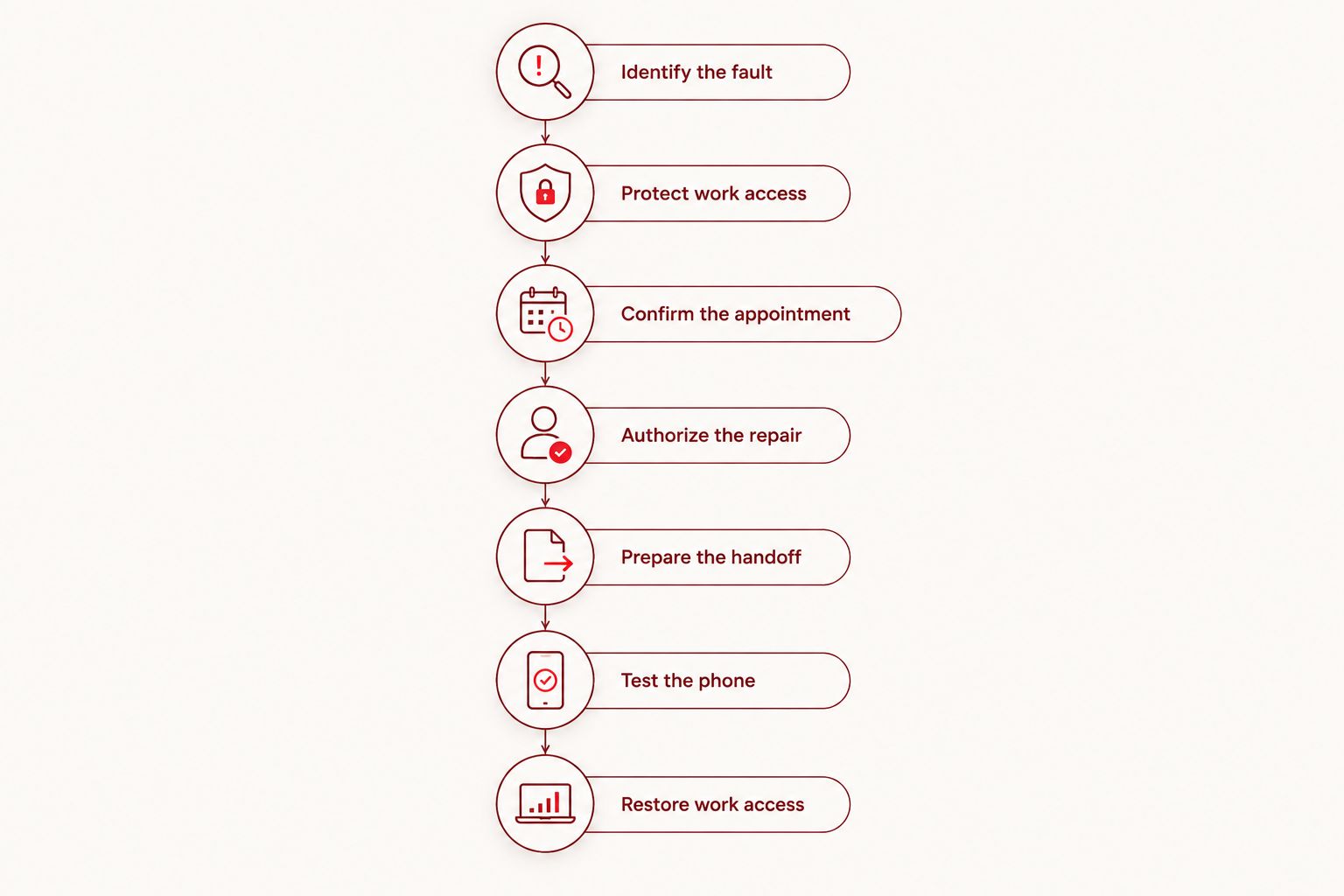
Identify the fault
Start with checks you can perform without opening the phone. Record whether the problem affects the screen, charging, sound, camera, or connection. Explain when it started and whether a drop or liquid exposure preceded it; those details help frame an inspection but do not prove the cause.
For charging problems, try a known-working compatible cable and power source if the phone shows no signs of heat, swelling, or liquid damage. For communication problems, distinguish a failed microphone from a network issue by checking whether the symptom occurs in more than one approved calling method.
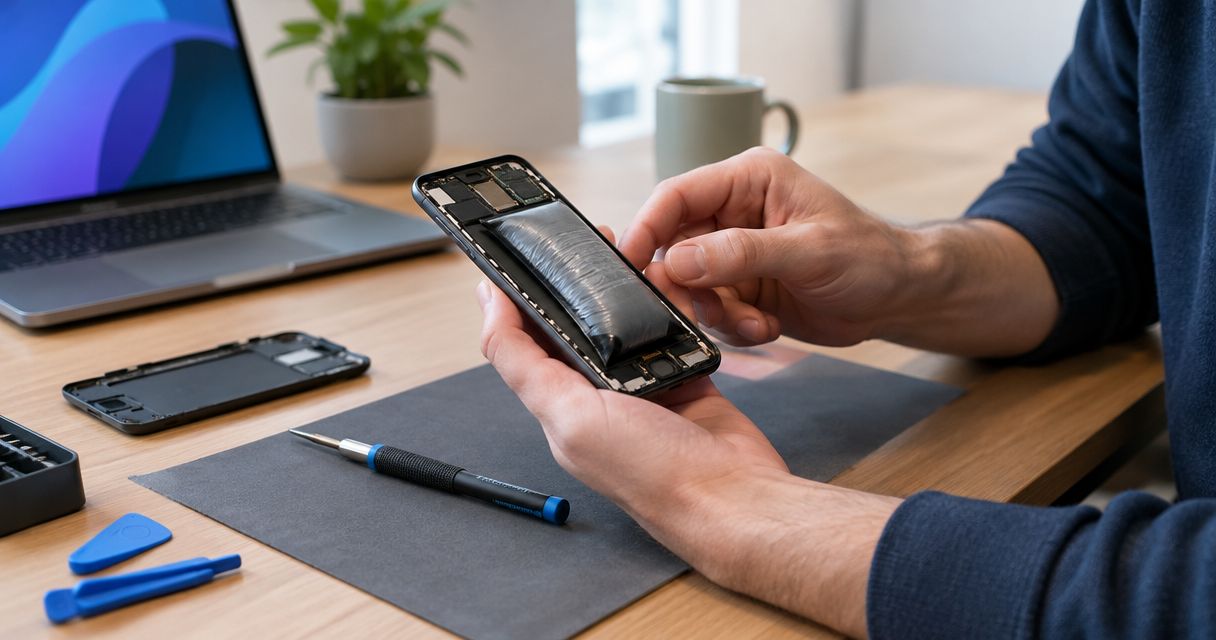
Stop charging a phone with a swollen battery. Do not press the screen back into place, puncture the battery, or treat visible separation as ordinary cosmetic damage. Tell the repair provider about the condition before transporting the device.
- Write down the exact phone model.
- Describe what fails and what still works.
- Note any drop or liquid exposure.
- Record checks you have already tried.
- Report swelling, unusual heat, or visible separation.
Protect work access
Before the phone leaves your possession, identify the work functions that depend on it. In a 2026 handoff plan, include authentication as well as calls: being reachable does not help if you cannot sign in to an approved work system.
Use your employer’s support process to arrange an approved alternative. Do not move patient information into personal email, consumer messaging, or an unapproved backup simply to make the repair easier. If you need a replacement authentication method, have workplace support confirm the process before the original phone becomes unavailable.
Plan 2 contact routes: one approved route for work communication and one way the repair provider can reach you. These serve different purposes. A colleague’s number should not become the repair contact without that person’s agreement.
- Identify work accounts tied to the phone.
- Confirm an approved backup contact method.
- Ask support about authentication recovery.
- Follow workplace rules for patient information.
- Give the repair provider a reachable contact number.
Confirm the appointment
Once your access plan is clear, contact Aspect Phone Solutions about an appointment-based smartphone repair. State the model, symptom, and scheduling constraints. Explain when you can drop off and collect the phone rather than asking for a vague promise that it will be ready quickly.
Appointment-based service is an alternative to arriving without an agreed visit time. Its limitation is equally important: you must arrange the appointment, and inspection can change the repair plan. Do not equate a booked visit with a confirmed completion deadline.
For healthcare workers traveling between Edmond and OKC, discuss collection before committing to the visit. Your useful question is whether the proposed arrangements fit your next shift—not whether the provider uses a general speed label. Keep any timing commitment specific to your device and repair.
- Provide the phone model and symptoms.
- State your drop-off and collection windows.
- Confirm the appointment before traveling.
- Ask when diagnosis will be communicated.
- Ask what happens if the repair scope changes.
Authorize the repair
An inspection should establish what needs attention before you approve the work. A cracked screen and a failing battery are different decisions, even when they affect the same phone. Ask what the proposed repair addresses and which reported symptoms remain outside its scope.
Aspect Phone Solutions confirms prices before authorization. Use that point to agree on the work, not just the amount: specify whether additional findings require another approval. Never assume that permission for one repair authorizes every issue discovered during inspection.
For a 2026 repair-or-replace decision, consider the phone’s remaining usefulness. Can it still run the apps your employer requires? Are other faults interfering with daily use? Ask those questions without treating a single damaged component as proof that the whole device needs replacement.
- Request an explanation of the diagnosed fault.
- Confirm the proposed repair scope.
- Approve work only after pricing is confirmed.
- Set an approval rule for additional work.
- Clarify what remains unresolved.
Prepare the handoff
Back up personal information through a method you already use and understand, provided it complies with workplace rules. Check that the backup completed; starting a backup is not the same as having a usable copy. Treat repair preparation and work-data handling as separate tasks.
Ask what access is required to diagnose and test the fault. If your phone provides a repair or maintenance mode, check its instructions and whether it supports the planned testing. Availability depends on the device, so do not assume every phone offers the same protection.
Remove unnecessary accessories when requested and record the phone’s visible condition. Do not hand over a list of workplace passwords. If work-managed settings prevent testing, involve workplace support rather than bypassing those controls.
- Confirm the personal backup completed.
- Follow employer rules for managed information.
- Ask what device access testing requires.
- Check for a supported repair mode.
- Record existing visible damage.
Test the phone
At collection, test the repaired function before treating the phone as shift-ready. A successful display repair is not a complete check of calls, charging, or account access. Focus first on the reported fault, then on the functions you depend on at work.
Use 3 functional checks as a minimum starting checklist: touch input, call audio, and charging. Add camera, buttons, or connection checks when they relate to the original problem. These are customer acceptance checks, not a substitute for the repair provider’s own testing.
If a symptom remains, describe it before leaving. Distinguish the original problem from something you have noticed after repair, and ask what the next step is. Keep any repair documentation so you can refer to the agreed scope without relying on memory.
- Check the repaired function directly.
- Test touch input across the screen.
- Make a call using non-sensitive content.
- Confirm a compatible charger connects.
- Report unresolved symptoms before leaving.
Restore work access
Finish the process outside active patient care. Reopen approved work applications, confirm authentication, and check that the appropriate people can reach you. Do not assume that a working home screen means every work account is ready.
Build a 1-shift continuity plan for the first shift after collection. That means knowing the approved fallback if the repaired phone develops another problem—not keeping patient information on an extra personal device. Your workplace decides which backup methods are acceptable.
For 2026, retain the symptom notes and repair documentation with your personal records. If the same fault returns, that history helps you explain what was repaired and what is happening now. Delete temporary personal copies you no longer need, while following workplace retention rules for anything work-related.
- Confirm approved work applications open.
- Verify your authentication method works.
- Test your work contact route.
- Keep the approved fallback accessible.
- Save the repair scope and documentation.
Compare your repair options
Choose the route that fits device ownership and your scheduling constraints. The options below describe decision paths, not verified turnaround rankings. For a 2026 comparison, get a device-specific answer rather than relying on an advertised service category.
| Option | Best for | Practical advantage | Key limitation |
|---|---|---|---|
| Appointment-based independent repair | Personal phones and planned visits | You arrange a visit before traveling | A booked appointment does not establish completion timing |
| Walk-in repair | Personal phones when arrival flexibility matters | You can seek an assessment without planning a booked visit | Confirm acceptance and collection arrangements before traveling |
| Manufacturer or authorized service | Devices with coverage or service requirements to check | You can establish which official service route applies | Eligibility, access, and process depend on the device |
| Employer-managed support | Employer-owned or managed phones | Repair permission and account handling stay with workplace support | Your employer determines the process |
For an employer-owned phone, workplace approval comes before choosing a repair provider. For a personal phone, compare the proposed diagnosis, approval process, and collection arrangements. Convenience matters, but it does not replace clarity about what work you are authorizing.
A manufacturer route is useful when you need to establish coverage or official service requirements. An independent route lets you discuss a local repair plan. Neither option proves that a particular fault can be repaired on your preferred schedule without an assessment.
Common mistakes healthcare workers make
Treating an appointment as a completion promise
A scheduled visit establishes when to attend. It does not, by itself, confirm diagnosis, repair completion, or collection. Ask about each stage separately when your next shift leaves little room for disruption.
Forgetting authentication while arranging a backup phone
An alternate phone can receive calls without giving you access to work accounts. Confirm approved authentication recovery before handing over the original device; do not wait until a sign-in attempt fails during a shift.
Sending patient information to simplify the repair
A screenshot containing patient details is not necessary to explain that a screen flickers or touch input fails. Describe the symptom without sensitive content, and follow workplace instructions when a managed app is involved.
Repairing an employer-owned device without permission
A convenient local appointment does not replace your employer’s approval. Ask who can authorize the repair and whether outside service is allowed before agreeing to work.
Testing only the damaged part
Seeing a repaired screen light up is reassuring, but your work use includes more than the display. Check calls, charging, and approved account access before relying on the phone for communication.
FAQ
What’s the best phone repair option for healthcare workers in OKC?
The best option matches device ownership, work-access requirements, and your collection window. Aspect Phone Solutions offers appointment-based smartphone repair in Edmond and the wider Oklahoma City area; employer-owned devices should go through workplace support first.
Can I walk in for a repair at Aspect Phone Solutions?
Aspect Phone Solutions provides service by appointment rather than walk-in. Confirm your visit before traveling, and discuss inspection and collection arrangements separately.
Can I get my phone repaired between shifts?
A between-shift repair requires a completion and collection plan confirmed for your specific device. Give the provider your available window and keep an approved backup communication method ready.
Should I repair my phone or replace it?
Decide after an inspection establishes the fault and proposed repair scope. Consider whether the phone still supports required work applications and whether other problems remain.
Do I need to back up my phone before repair?
Back up personal information before repair when you can do so safely and within workplace rules. Confirm that the backup completed, and handle employer-managed information through your workplace’s approved process.
Do I have to give the repair provider my work passwords?
Do not give the repair provider your workplace passwords. Ask what device access is needed for testing and involve workplace support if managed settings affect the repair.
What should I do if my phone battery is swollen?
Stop using and charging a phone with a swollen battery. Do not press or puncture it, and tell the repair provider about the condition before arranging transport.
What should I test after a phone repair?
Test the repaired function, touch input, call audio, and charging before relying on the phone. Then verify approved work applications and authentication outside active patient care.
One last thing
Repair completion and work readiness are separate checkpoints. A phone can pass a hardware check while an approved work account remains inaccessible. Before handing it over, write down the work functions you must restore; after collection, use that same list to confirm you are ready for your next shift.