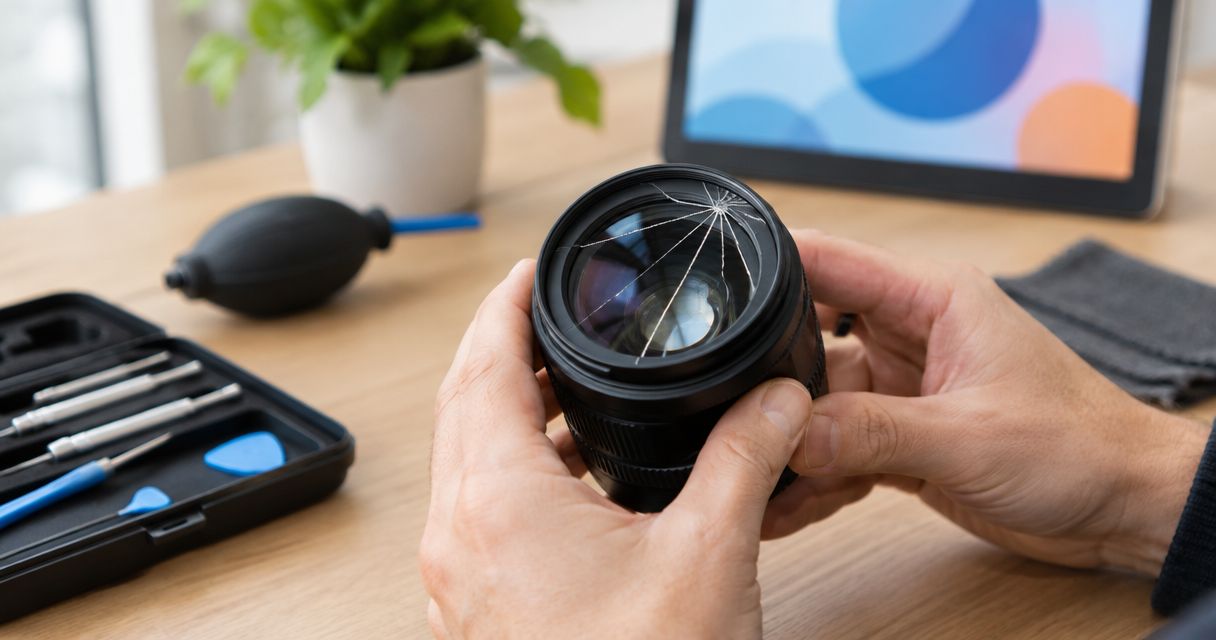
Yes, a cracked smartphone camera lens can often be repaired by replacing the damaged outer camera glass, provided the camera underneath still works correctly. If the impact also damaged the camera or its mounting area, replacing the glass alone will not restore clear photos; inspection determines which repair you need.
- Can a cracked camera lens be repaired? Yes—damaged cover glass can be replaced when the camera underneath remains functional.
- Blurry photos, glare, and focusing problems need inspection; a visible crack does not identify every damaged part.
- Aspect Phone Solutions offers appointment-based smartphone repair for customers in Edmond and the wider Oklahoma City area.
- Avoid glue, polishing compounds, and picking out broken glass; protect the damaged area until inspection.
Why this matters
A crack over your phone camera does not automatically mean the entire camera needs replacement. The glass you can touch is often a protective cover, separate from the camera assembly underneath. Confusing those parts makes it harder to understand a repair recommendation.
For a 2026 repair decision, focus on what is damaged rather than whether the phone still opens its camera app. Before arranging an inspection, the guide to phone camera repair shops near Edmond provides a local starting point. Ask the repairer to distinguish cover damage from an actual camera fault.
Can a cracked camera lens be repaired?
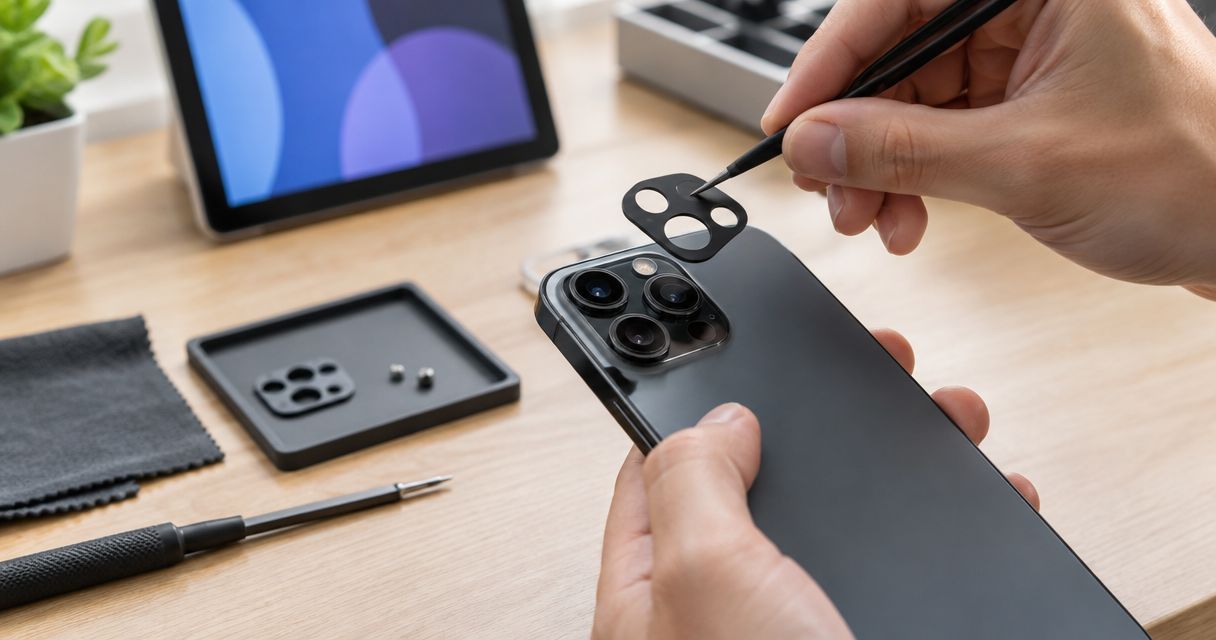
Yes—replacing cracked camera cover glass is a repair option when the underlying camera remains intact. A damaged internal lens or camera assembly needs a different repair. Phone construction determines whether the cover is serviced separately or as part of a larger assembly.
The practical distinction is between repairing the phone's camera system and repairing the broken piece of glass itself. A technician generally replaces damaged glass rather than filling the crack. Clear-looking glue is not a substitute for an undamaged optical surface.
| Repair option | Best for | Main advantage | Main limitation |
|---|---|---|---|
| Camera cover replacement | Damage limited to the outer protective glass | Addresses the broken cover without replacing a working camera | Will not fix an internal focusing or image-sensor fault |
| Camera assembly replacement | Confirmed damage inside the camera | Addresses a faulty camera rather than only its cover | Requires a broader repair than cover replacement |
| Rear housing repair | Damage involving the surrounding back panel or camera mounting area | Addresses structural damage around the camera | The repair scope depends on the phone's construction |
These are repair paths, not diagnoses you can confirm from a photograph of the crack. A phone can have both broken cover glass and an internal camera fault after the same drop.
When replacing the camera cover is enough
Cover replacement fits damage confined to the protective glass. The camera underneath must still focus and capture images correctly, and the surrounding structure must support the replacement securely.
A phone that still takes clear pictures is encouraging, but it is not proof that everything underneath survived. A crack outside the active camera's view can leave photos looking normal while the protective cover remains broken.
Look at the condition without pressing on the damaged area. Note whether glass is missing, whether a camera opening is exposed, and whether the surrounding back panel is cracked. Give those observations to the repairer rather than attempting to remove fragments yourself.
Choose a glass-only repair only after the camera and its surrounding structure have been checked. Its advantage is a narrower repair scope; its limitation is that it cannot correct damage hidden beneath the cover.
When the camera itself needs repair
Camera assembly repair becomes relevant when inspection identifies an internal fault. The assembly contains the parts that capture the image, and some phone cameras also contain moving focusing or stabilization components.
Symptoms worth reporting include persistent blur, failure to focus, unusual image movement, or a camera view that remains black. Those symptoms do not prove the camera assembly is broken: software problems and other faults can also affect camera behavior.
Tell the technician whether the problem started immediately after the impact. Explain whether it affects every rear camera view or only a particular view, and whether the front camera still works.
Do not authorize a camera replacement solely because the cover is cracked. Conversely, do not assume a new cover will solve a focusing problem. The recommendation should connect the observed fault to the part being replaced.
Why camera repair scope varies
There is no universal cracked-camera repair for every smartphone. For a 2026 appointment, provide the exact model and describe the damage before discussing the repair scope.
- Phone construction: Some camera covers are separate pieces; other designs connect the repair to a larger rear assembly.
- Damage location: A crack across the camera's field of view differs from damage around the edge of its cover.
- Camera function: Working focus and clear images support a different assessment from persistent camera failure.
- Surrounding damage: A bent frame, broken back panel, or damaged mounting area changes what needs attention.
- Contamination: Missing glass can expose the camera area to dust or moisture, adding concerns beyond the original crack.
- Previous repairs: Earlier replacement parts or adhesive work can affect how the damaged area is assessed and opened.
Ask what the inspection found and what the proposed repair excludes. A clear explanation should identify the damaged part, the intended work, and any unresolved symptoms—not simply describe everything as a lens repair.
What should you do before a camera repair appointment?
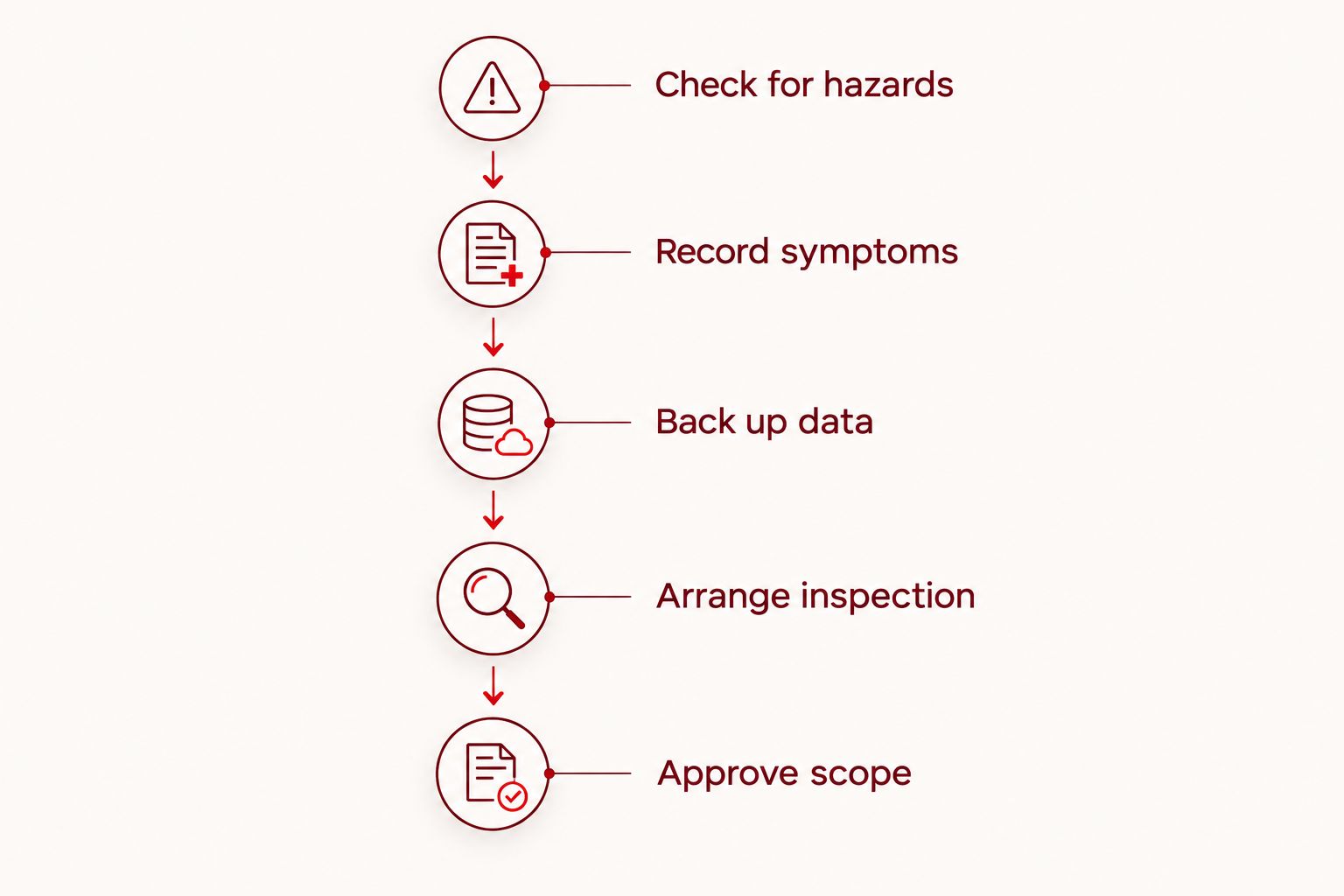
Protect the phone, record the symptoms, and back up your data before handing it over. Do not turn a visual check into an attempt to lift, clean underneath, or reseal the damaged glass.
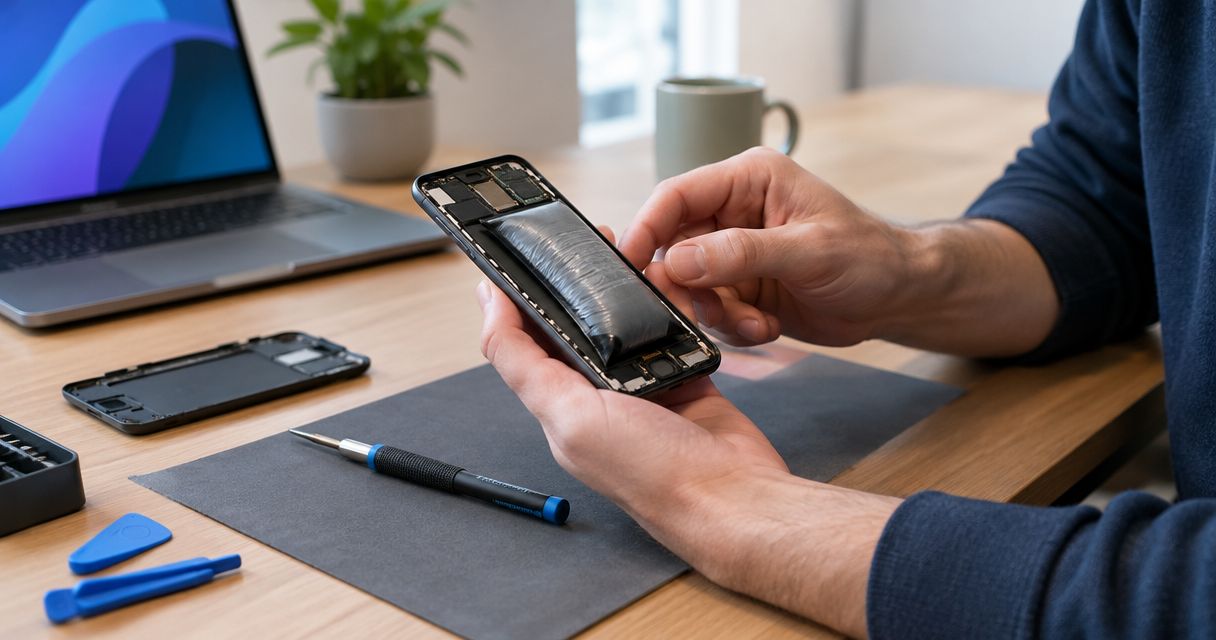
- Check for hazards. Avoid touching sharp edges or loose fragments. If the phone is swollen, unusually hot, or visibly distorted, stop routine use and seek appropriate service advice.
- Record symptoms. If the phone is otherwise safe to use, note which camera views work and what appears wrong. Keep a few example photos for the technician.
- Back up data. Confirm that important photos, contacts, and other files are backed up. Opening a backup app is not the same as confirming that the backup finished.
- Arrange inspection. Provide the model, explain the impact, and mention any moisture exposure or previous repairs. Ask what you need to bring.
- Approve scope. Review the inspection findings and confirm the agreed work before authorizing repair. Ask how camera performance will be checked afterward.
Keep the phone dry while you wait. Avoid carrying it loose with keys or other objects that can press against the broken camera area, and do not place tape directly over exposed camera components.
What should you avoid doing to cracked camera glass?
Do not use glue, toothpaste, or abrasive polish as a camera-glass repair. These treatments do not replace broken glass and can leave residue or damage surfaces around the camera.
Picking out fragments is also a poor way to prepare the phone for service. The exposed area can contain delicate parts, and pressure can move debris toward the camera. Leave removal to the repair process.
Do not test the damaged area with water or assume the phone retains its original water resistance. A broken cover compromises a physical barrier, and repair does not justify treating the phone as waterproof.
A protective case can reduce incidental contact, but it does not seal a broken camera opening. If the case presses against loose glass, leave the area alone and ask for handling advice before removing it.
Can you keep using a phone with cracked camera glass?
You can sometimes continue using an otherwise functional phone, but cracked camera glass leaves an unresolved physical defect. Loose fragments, an exposed opening, or worsening camera behavior are reasons to arrange inspection rather than keep testing it.
Normal photos do not establish that the cover is safe to leave broken. They only show that the camera produced an acceptable image under those conditions; bright lights or a different camera view can reveal problems you did not notice earlier.
Keep essential use separate from unnecessary camera testing. For your 2026 repair plan, back up important files and arrange service rather than waiting for every photo to become unusable.
Will replacing cracked camera glass fix blurry photos?
Replacing cracked camera glass can fix blur or glare caused by the damaged cover, but it will not correct an unrelated internal fault. The repair needs to address the cause of the image problem, not merely the most visible damage.
Tell the repairer whether blur appears across the whole image, around bright lights, or only when focusing on nearby objects. Describe what you see without trying to name the failed part.
After repair, check the camera views you normally use. Look at focus, image clarity, and video behavior, and compare any remaining problem with the symptoms recorded before service.
How to decide whether repairing the phone makes sense
Compare the confirmed repair scope with the phone's overall condition. A camera repair decision changes if the phone also has a damaged display, unreliable charging, or other problems you need addressed.
Ask for separate explanations of essential work and unrelated recommendations. You need to know whether the proposed repair restores camera function, replaces broken protective glass, or handles both.
Consider your actual camera needs as well. If you use your phone for work photos, document scans, or family pictures, unreliable focus affects more than appearance. If another fault already makes the phone unsuitable for daily use, assess the whole device before authorizing isolated work.
Base the decision on the inspected phone, not a generic repair estimate. For a 2026 comparison, check the current repair proposal against a replacement device you would genuinely choose, including the effort of transferring your data.
Arrange an appointment in Edmond or Oklahoma City
Aspect Phone Solutions is best for Edmond and OKC customers seeking appointment-based smartphone repair. Service is by appointment rather than walk-in, and prices are confirmed before authorization.
For a cracked-camera concern, explain the damage when arranging service and ask for an inspection-based recommendation. The advantage of an appointment-based process is a planned visit; the limitation is that you should not arrive expecting walk-in service.
Use Aspect Phone Solutions to arrange the next step. Include the phone model, whether glass is missing, and whether photos or focusing changed after the impact. Confirm the proposed work before authorizing it.
Arrange your phone repair appointment
Describe the camera damage and confirm the repair scope before authorization.
FAQ
Can a cracked camera lens be repaired without replacing the whole camera?
Yes, damaged outer camera glass can be replaced without replacing a working camera when the phone's construction allows it. Inspection must establish whether the damage is limited to the cover.
Is cracked camera glass the same as a broken camera lens?
No, cracked outer camera glass and a damaged internal camera lens are different faults. The visible protective cover can break while the camera underneath continues to work.
Why are my photos blurry after I cracked the camera glass?
Cracked camera glass can interfere with incoming light, but blur can also come from contamination or internal damage. The camera needs assessment before a glass-only repair is recommended.
Can I fix a cracked phone camera with glue?
No, glue is not a suitable replacement for damaged camera glass. It can leave residue and does not restore an undamaged optical surface.
Will a cracked camera cover let water into my phone?
A cracked or missing camera cover can create an entry point for moisture. Keep the phone dry and do not rely on its previous water-resistance rating.
Will repairing my camera delete my photos?
A camera repair does not inherently require deleting stored photos, but you should complete and verify a backup before service. Ask about any reset or access requirements before handing over the phone.
Can I walk in for phone repair at Aspect Phone Solutions?
Aspect Phone Solutions provides appointment-based smartphone repair rather than walk-in service. Customers in Edmond and the wider Oklahoma City area should arrange an appointment and confirm the proposed work before authorization.
One last thing
A phone with several rear cameras can still take a normal-looking picture through an undamaged camera while another camera cover is broken. A successful photo is not a complete camera inspection. Tell the repairer which view you tested, and ask which camera functions were checked after the repair. Make that part of your 2026 repair handoff rather than judging the result from a single photo.